PARCA’s How Alabama Taxes Compare, 2022 Edition, uses data published by the U.S. Census Bureau’s Annual Survey of State and Read the full release.


PARCA’s How Alabama Taxes Compare, 2022 Edition, uses data published by the U.S. Census Bureau’s Annual Survey of State and Read the full release.
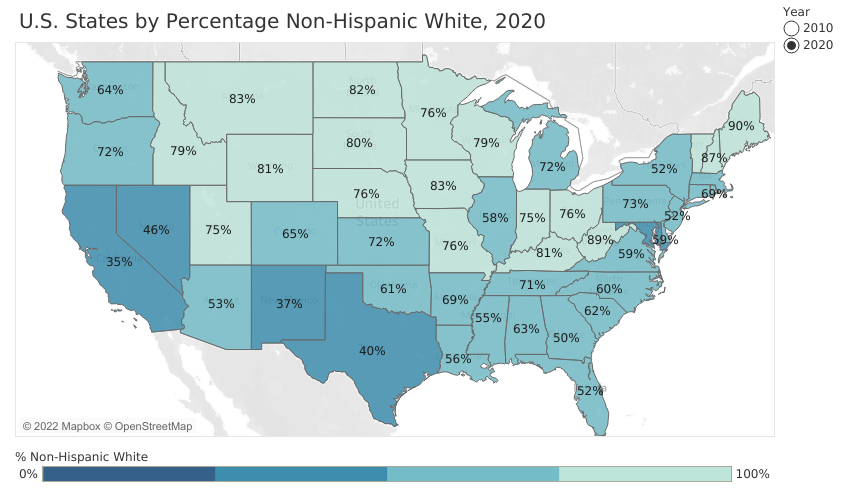
Alabama’s population became more diverse over the past decade as the number of non-Hispanic Whites declined and more Alabamians identified Read the full release.
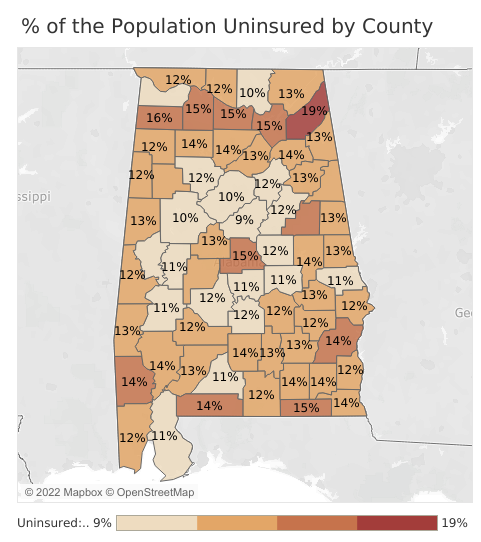
The percentage of Alabamians without health insurance rose between 2019 and 2020, according to the latest estimates from the U.S. Read the full release.
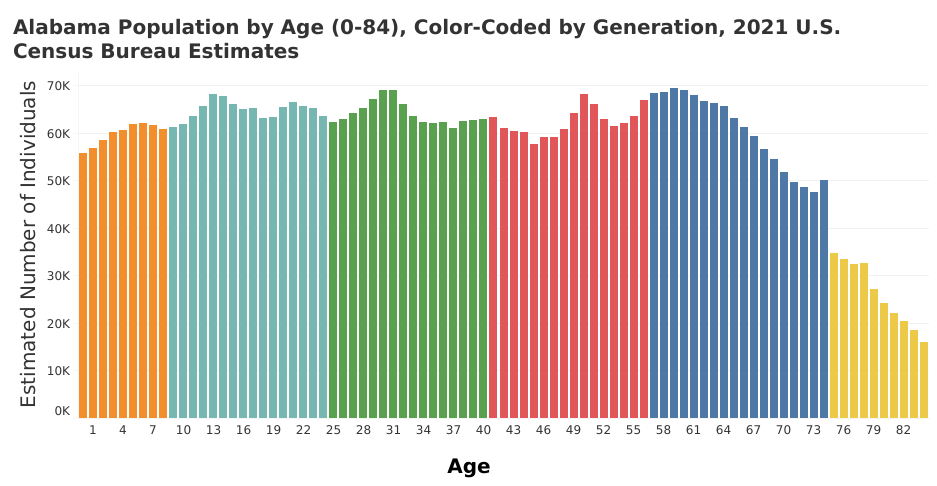
Absent immigration from other states or from abroad, Alabama’s working-age population is on track to shrink in coming years, according Read the full release.
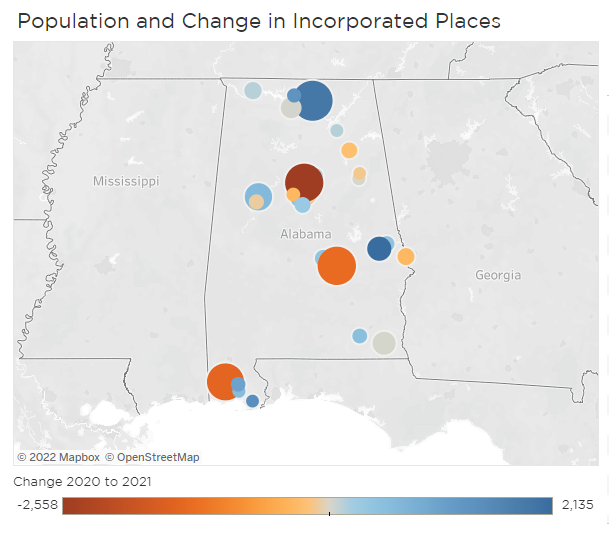
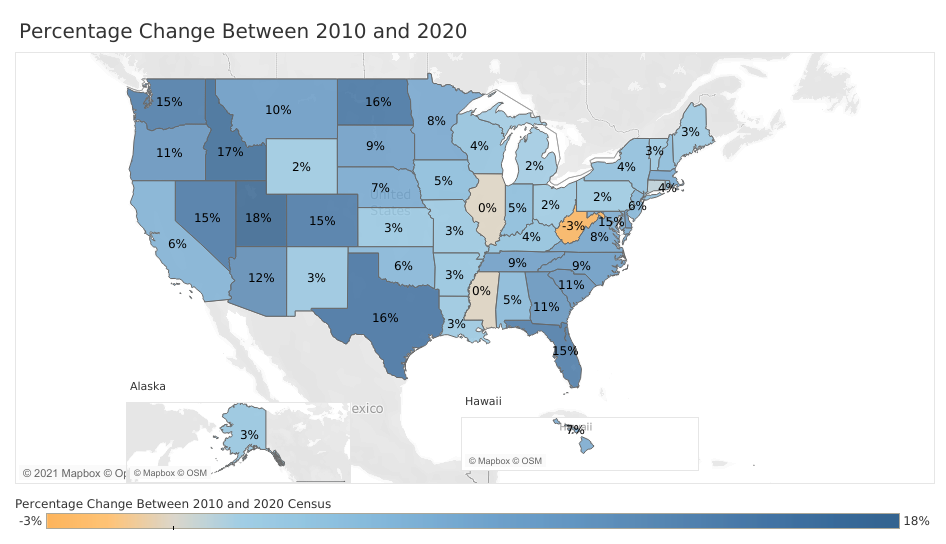
Each year, PARCA analyzes population estimates issued by the U.S. Census Bureau. Visualizations of the population estimates and change for Read the full release.
Our 2022 edition of How Alabama Cities Compare (the tenth edition of PARCA’s study of Alabama city finances) introduces a Read the full release.
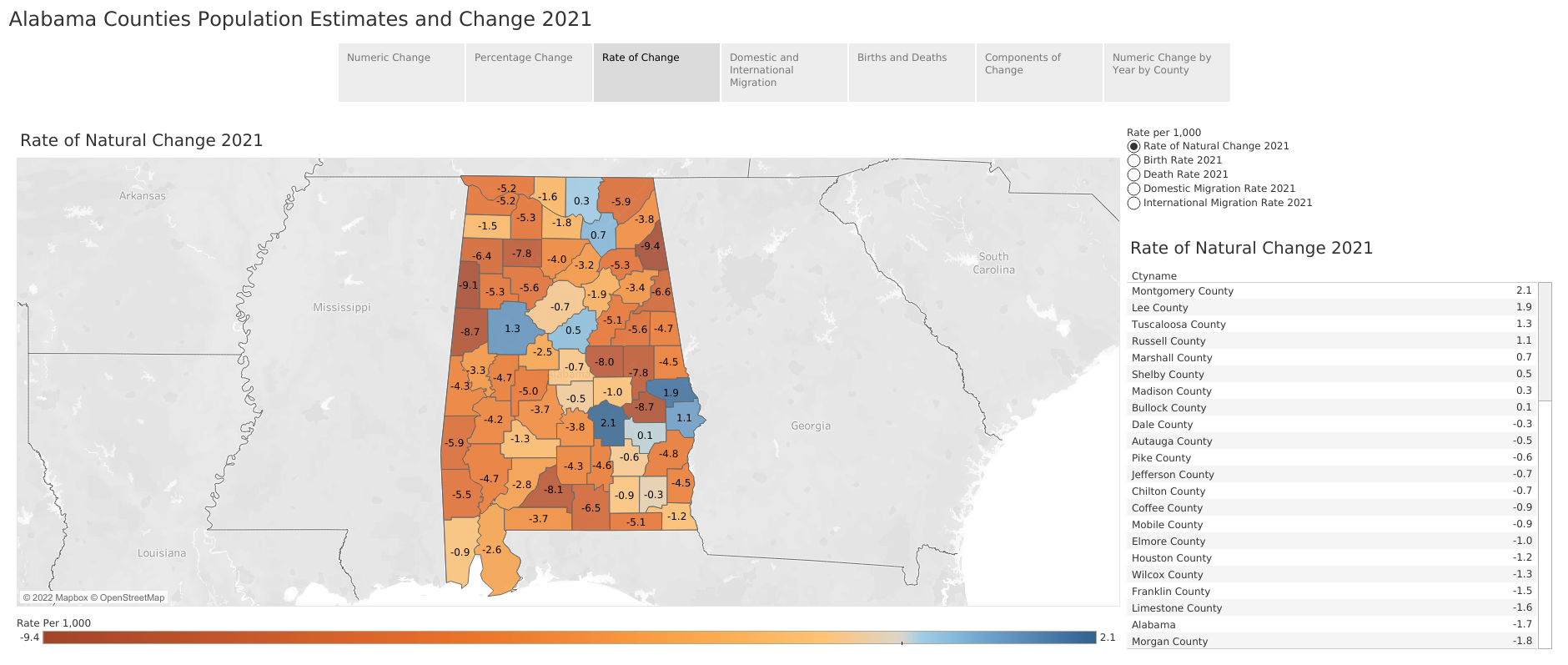
New estimates released by the U.S. Census Bureau show that more than half of Alabama counties lost population between July Read the full release.
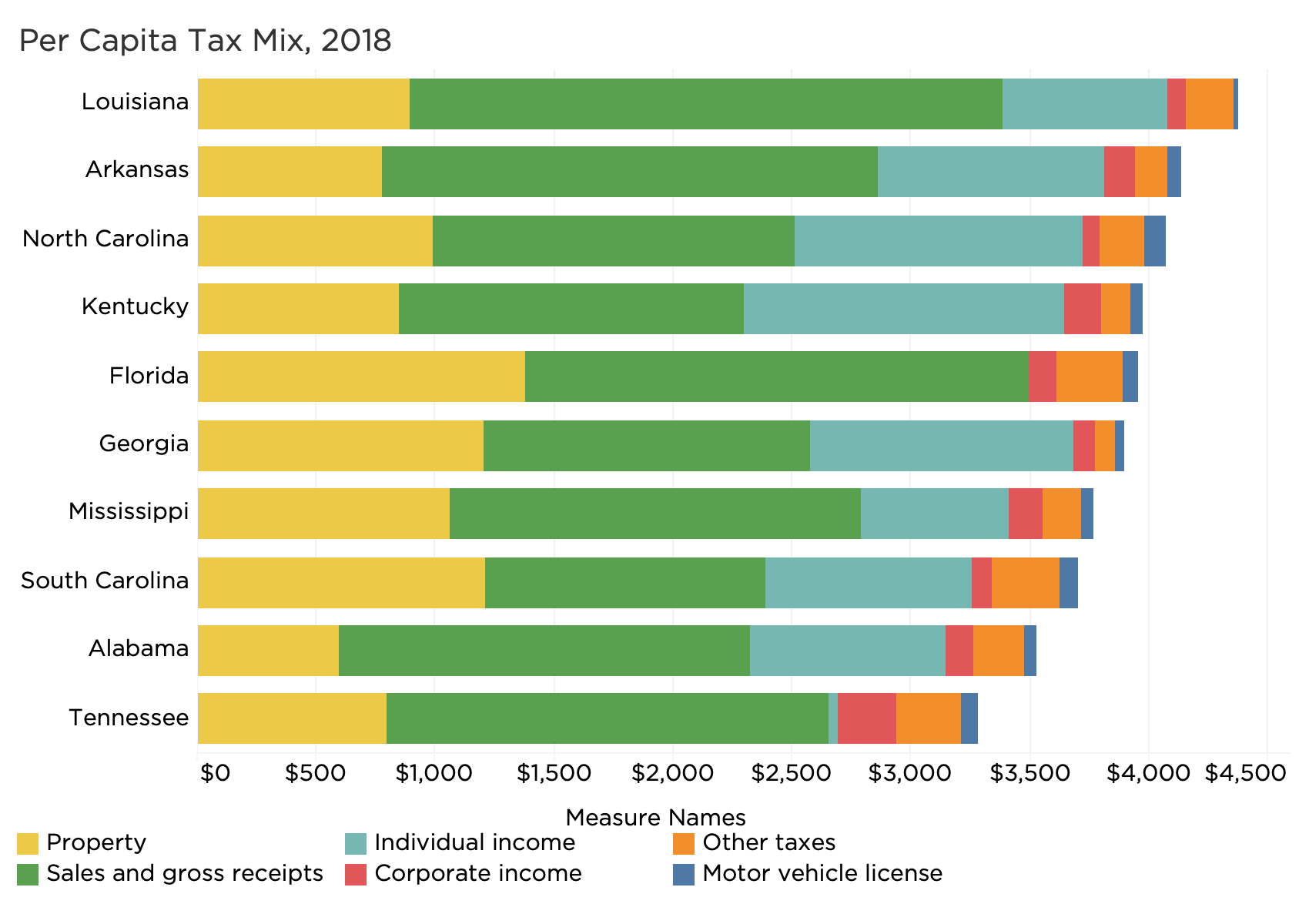
Alabama had the nation’s second-lowest tax collections per capita in 2019. Only Tennessee had lower state and local tax revenue Read the full release.
PARCA’s PolicyMap allows you to explore key data points at the state, county, city, and even Census tract levels. To Read the full release.
Recent data from the U.S. Census Bureau indicate a growing number of people moving to Alabama prior to the Covid Read the full release.